
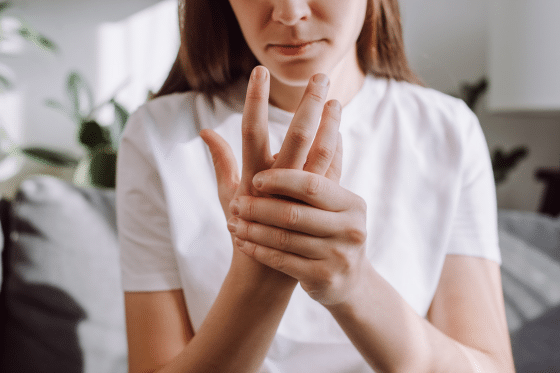
If you have been noticing tingling, burning, or numbness in your feet or lower legs, you are not alone. These sensations are often associated with neuropathy, a condition that affects the nerves responsible for movement, sensation, and balance.
At Tomsic Physical Therapy, we regularly meet people here in Durango who are experiencing these symptoms and are unsure of what they mean or what to do next. Neuropathy can feel confusing, frustrating, and at times even concerning. The good news is that with the right understanding and support, there are ways to improve comfort, mobility, and confidence in your daily life.
This blog will walk you through what neuropathy is, how it develops, how it can impact your day-to-day life, and what steps you can take to move forward with confidence.
What Is Neuropathy?
Neuropathy, often referred to as peripheral neuropathy, occurs when the nerves outside of the brain and spinal cord become damaged or disrupted. These nerves are responsible for sending messages between your brain and the rest of your body.
They play an important role in helping you feel sensations such as temperature and touch, control muscle movement, and maintain balance and coordination. When these nerves are not functioning properly, communication becomes less efficient.
This disruption can lead to a variety of symptoms, including unusual sensations, weakness, or changes in how your body responds to movement.
Common Symptoms of Neuropathy
Neuropathy does not always appear suddenly. In many cases, symptoms develop gradually over time.
Some of the most common symptoms include:
- Tingling or pins and needles sensations
- Burning discomfort, especially in the feet
- Numbness or reduced ability to feel sensation
- Sharp or shooting sensations
- Increased sensitivity to touch
- Muscle weakness
- Difficulty with balance or coordination
These symptoms are most commonly felt in the feet and lower legs, though they can also affect the hands and arms.
For many people, symptoms may be mild at first but can become more noticeable over time if not addressed.
What Causes Neuropathy?
Neuropathy can develop for a number of reasons, and often it is not just one single cause but a combination of factors over time.
Some of the most common contributors include:
Diabetes
Prolonged high blood sugar levels can damage nerves over time, making diabetic neuropathy one of the most common forms.
Nerve Compression or Injury
Injuries, repetitive movements, or sustained pressure on a nerve can interfere with normal nerve function.
Circulation Issues
Reduced blood flow can limit the oxygen and nutrients nerves need to stay healthy.
Lifestyle and Health Factors
Nutrition, inflammation, and general health all play a role in nerve function and recovery.
Understanding the cause of your symptoms is an important part of creating the right plan moving forward.
How Neuropathy Can Impact Your Daily Life
Neuropathy is not just about sensation. Over time, it can begin to influence how you move, how confident you feel, and how you approach everyday activities.
Balance Changes
Your nerves help your body understand position and movement. When sensation is reduced, balance can feel less stable, increasing the risk of trips or falls.
Difficulty with Movement
Weakness or disrupted nerve signals can make walking, climbing stairs, or standing for longer periods feel more challenging.
Reduced Confidence
When your body feels unpredictable, it is natural to become more cautious. Many people begin to limit activity, which can lead to further stiffness and reduced mobility.
Impact on Daily Comfort
Persistent tingling, numbness, or burning sensations can affect sleep, concentration, and overall quality of life.
These changes can happen gradually, which is why many people do not recognize how much neuropathy is affecting them until it begins to interfere with daily routines.
Why Early Attention Matters
One of the most important things to understand about neuropathy is that early attention can make a meaningful difference.
Waiting too long to address symptoms may allow them to progress, while taking action early can help:
- Improve overall comfort
- Support better balance and coordination
- Reduce the impact on daily activities
- Help you stay active and independent
Even small improvements in movement and sensation can have a big impact on your confidence and quality of life.
How Physical Therapy Can Help Neuropathy
At Tomsic Physical Therapy, our approach focuses on helping your body function as effectively as possible using natural, non-invasive methods.
We do not focus on masking symptoms. Instead, we work to support the systems in your body that influence movement, balance, and nerve health.
Movement and Exercise
Targeted exercises can help improve circulation, strengthen muscles, and support communication between your brain and body.
Balance and Coordination Training
This is one of the most important parts of neuropathy care. Improving balance helps reduce fall risk and increases confidence in movement.
Hands-On Therapy
Manual therapy can help improve mobility, reduce stiffness, and support overall function in affected areas.
Education and Guidance
We provide simple, practical strategies you can use at home to support your progress and maintain consistency.
Every plan is tailored to the individual. Your goals, your symptoms, and your lifestyle all matter.
Simple Ways to Support Nerve Health
There are also small, consistent habits that can help support nerve function and overall comfort.
- Stay active with gentle movement throughout the day
- Wear supportive, well-fitting footwear
- Incorporate simple balance exercises into your routine
- Avoid long periods of inactivity
- Pay attention to changes in sensation
These actions may seem simple, but they can play an important role in maintaining mobility and comfort over time.
When Should You Seek Help?
If you are experiencing ongoing tingling, numbness, or changes in balance, it may be time to seek guidance.
You may benefit from professional support if you notice:
- Symptoms becoming more frequent or intense
- Difficulty walking or maintaining balance
- Changes that are limiting your daily activities
- Concerns about stability or safety
You do not need to wait until symptoms become severe. Getting clarity early can help you move forward with confidence.
Take the First Step Toward Feeling Better
If you have been dealing with symptoms of neuropathy, you may be wondering what your options are and whether there is a way to feel more comfortable again.
At Tomsic Physical Therapy, we are here to help you understand what is happening in your body and guide you toward solutions that support your goals.
That is why we offer a Free Discovery Visit.
This is a no-pressure, no-obligation appointment where you can:
- Talk through your symptoms
- Ask questions about neuropathy
- Learn what may be contributing to your discomfort
- Explore natural, personalized options for care
You do not have to figure this out on your own.
👉 Schedule your Free Discovery Visit today!
Our team would be happy to meet you, listen to your story, and help you take the next step toward better movement, balance, and confidence.
