
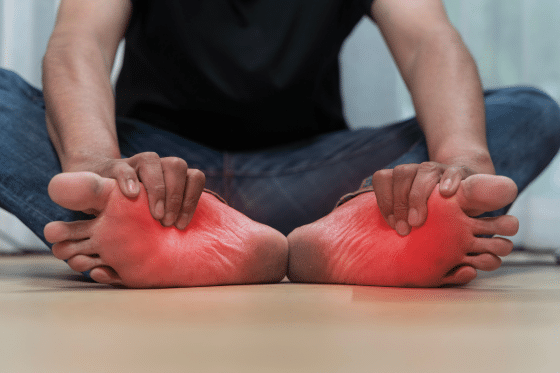
If you have been experiencing tingling, numbness, or burning in your feet, you may already know these are common signs of neuropathy. But one of the most overlooked effects of neuropathy is how it impacts your balance and stability.
At Tomsic Physical Therapy, this is something we see often. People come in concerned about sensation changes, but what they are really struggling with is feeling less steady on their feet. They may not trust their balance the way they used to. They may hesitate when walking on uneven ground or feel unsure in low-light environments.
This blog will explore how neuropathy affects balance, why that matters for your daily life, and what you can do to stay steady, confident, and active.
The Role of Nerves in Balance
Balance is something most people take for granted until it starts to change. But it is actually a complex system that relies on three key inputs:
- Vision
- Inner ear function
- Sensory feedback from your feet and joints
Neuropathy directly affects that third component.
The nerves in your feet constantly send signals to your brain about where your body is in space. This is called proprioception, and it allows you to adjust your movements without thinking about it.
When neuropathy disrupts these signals, your brain receives less accurate information. As a result, your body has to work harder to maintain balance.
How Neuropathy Affects Stability
When sensation is reduced in your feet, several important changes can occur:
Delayed Reaction Time
Without clear signals from your feet, it takes longer for your body to respond to shifts in position.
Reduced Awareness of Surface Changes
Walking on grass, gravel, or uneven ground can feel more challenging because your body is not getting accurate feedback.
Increased Dependence on Vision
Many people rely more on their eyesight to maintain balance. This becomes more noticeable in low-light environments or at night.
Muscle Compensation
Other muscles in your body may try to compensate, which can lead to fatigue, stiffness, or inefficient movement patterns.
These changes can be subtle at first, but over time they can impact how confident you feel when walking or moving.
Why Balance Changes Matter
A decrease in balance is not just an inconvenience. It can have a meaningful impact on your independence and quality of life.
Higher Risk of Falls
One of the biggest concerns with neuropathy is an increased risk of falls. Even small changes in stability can make it easier to lose your footing.
Avoidance of Activity
When balance feels uncertain, many people begin to avoid activities they once enjoyed. This can include walking outside, exercising, or even moving around the house with confidence.
Reduced Mobility Over Time
Less movement leads to weaker muscles and stiffer joints, which can further impact balance and stability.
Loss of Confidence
Perhaps one of the most important effects is how it changes the way you feel in your body. Confidence in movement is essential for maintaining an active lifestyle.
Signs Your Balance May Be Affected
Sometimes changes in balance are not immediately obvious. Here are a few signs to look for:
- Feeling unsteady when walking
- Needing to hold onto furniture or walls
- Difficulty walking in the dark
- Hesitation on stairs or uneven surfaces
- A general sense of instability
Recognizing these signs early can help you take action before they become more significant.
How Physical Therapy Helps Improve Balance
At Tomsic Physical Therapy, we focus on helping you feel more stable, confident, and in control of your movement.
Our approach is centered around building strength, improving coordination, and retraining your body to respond more effectively.
Balance Training
We use targeted exercises to challenge and improve your balance in a safe, controlled way. This helps your body adapt and respond more efficiently.
Strength Development
Stronger muscles, especially in the legs and core, provide better support and stability.
Movement Awareness
We help you become more aware of how your body moves, which improves coordination and control.
Functional Training
Exercises are designed to reflect real-life activities, such as walking, turning, and navigating different surfaces.
The goal is not just to improve balance in the clinic, but to help you feel confident in your everyday life.
Simple Exercises to Support Balance at Home
There are also simple ways to support your balance at home.
Heel-to-Toe Walking
Walk in a straight line, placing one foot directly in front of the other. This helps improve coordination and control.
Single-Leg Stance
Hold onto a stable surface and practice standing on one foot for a few seconds at a time.
Seated to Standing Practice
Repeatedly standing up from a chair helps build strength and stability.
Ankle Mobility Exercises
Gentle ankle movements help improve joint awareness and control.
Consistency is key. Even a few minutes each day can lead to noticeable improvements over time.
Creating a Safer Environment
In addition to improving your body’s ability to balance, it is also important to create a safe environment.
- Keep walkways clear of clutter
- Use proper lighting, especially at night
- Wear supportive footwear
- Be mindful on uneven or slippery surfaces
These simple adjustments can reduce risk and support confidence.
Staying Active with Neuropathy
One of the most important things you can do is stay active. Movement helps maintain strength, flexibility, and coordination.
Even if your balance feels different, there are safe ways to stay active with the right guidance. Avoiding movement altogether can lead to further decline, while the right type of activity can help you maintain independence.
At Tomsic Physical Therapy, we focus on helping you find that balance between staying active and staying safe.
When to Seek Help
If you have noticed changes in your balance, it is important to take them seriously.
You may benefit from professional support if you:
- Feel less steady when walking
- Have experienced a recent fall or near fall
- Notice increasing difficulty with everyday movement
- Feel less confident in your balance
Addressing these changes early can help prevent larger issues in the future.
Take the First Step Toward Stability and Confidence
If neuropathy is affecting your balance, you are not alone – and you do not have to navigate it on your own.
At Tomsic Physical Therapy, we are here to help you build strength, improve stability, and regain confidence in your movement.
We offer a Free Discovery Visit, where you can:
- Talk through your symptoms
- Understand how neuropathy is affecting your balance
- Learn what steps may help you feel more steady
- Explore personalized, natural solutions
👉 Schedule your Free Discovery Visit today!
Our team would be happy to meet you, listen to your concerns, and help you take the next step toward feeling more stable and confident every day.
